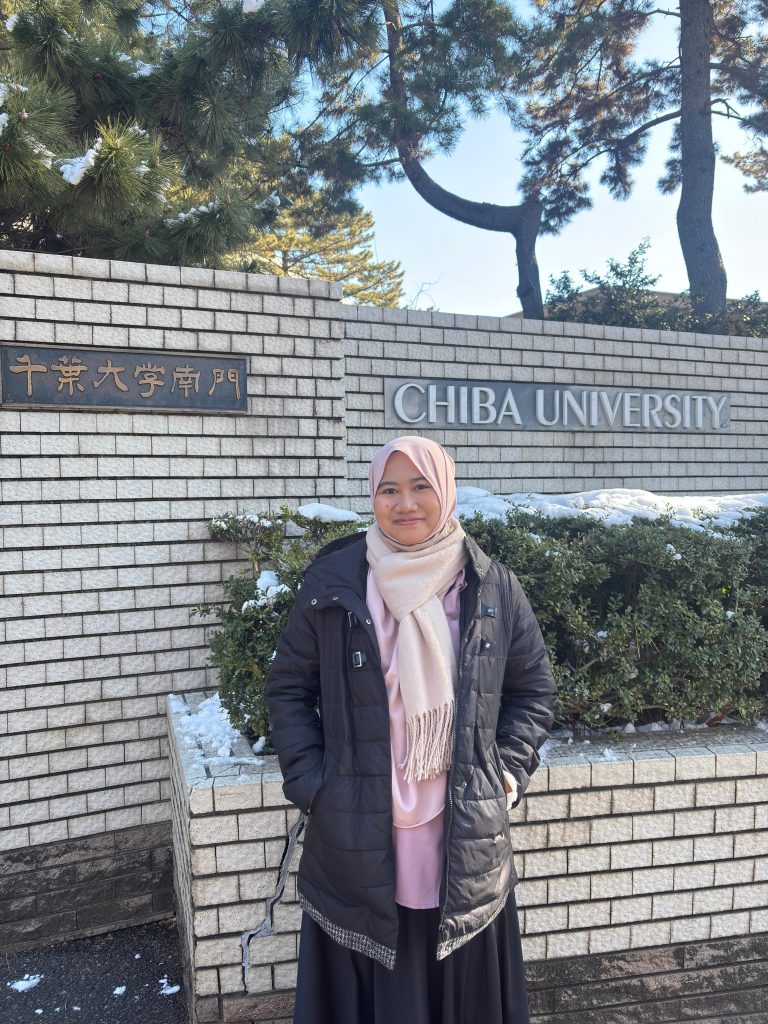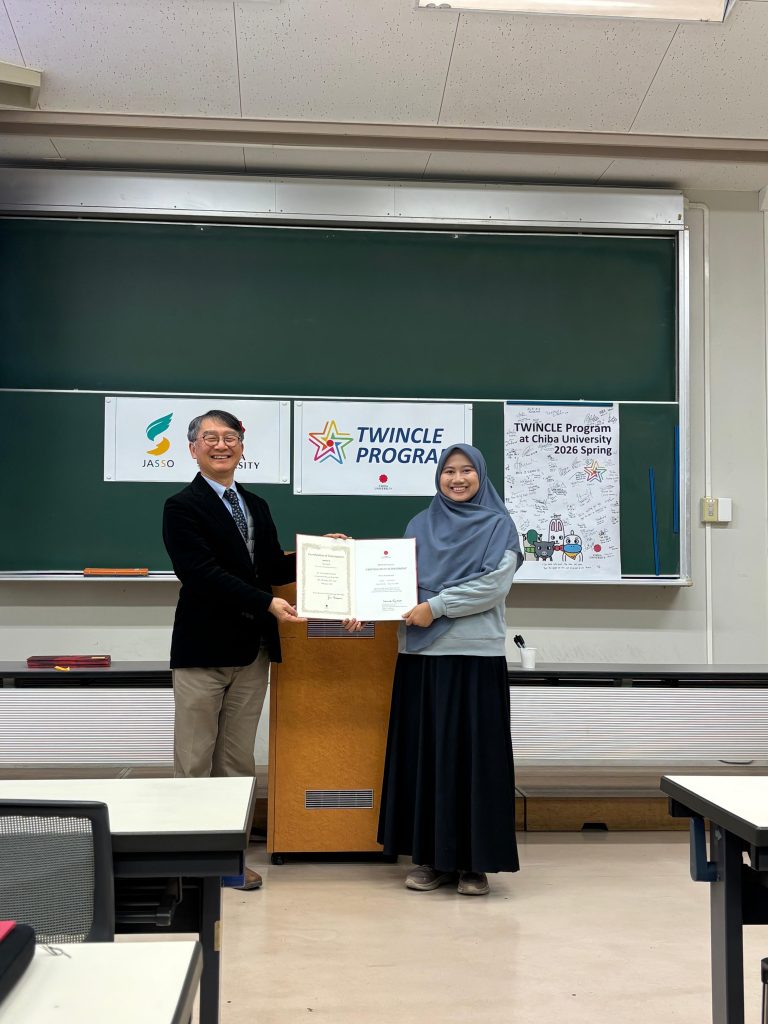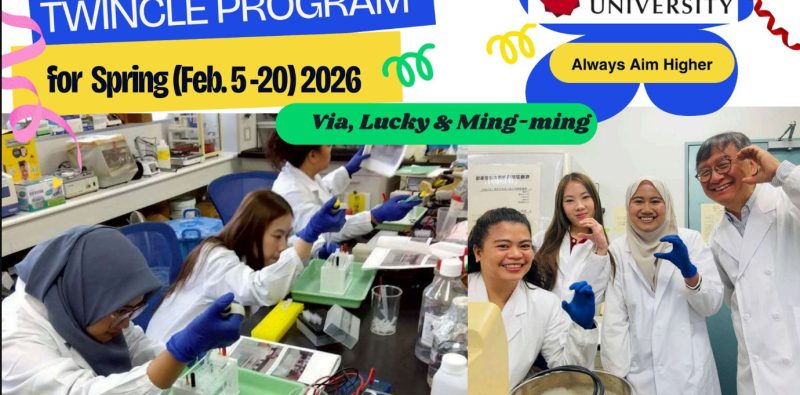
The TWINCLE Program is an international initiative hosted by Chiba University, Japan, with support from JASSO. It is designed to provide academic, research, and cultural exchange experiences to students from ASEAN countries. Held during the spring period from February 5 to 20, 2026, this year’s program brought together participants from various nations, including Indonesia, the Philippines, and Thailand. Representing Indonesia was a diverse cohort of students from prominent universities, including UPI, UI, ITB, IPB, UGM, and Udayana University. Universitas Pendidikan Indonesia’s representative for the JASSO TWINCLE program was Via Aini, a doctoral student from the Science Education program, whose research focuses on biology education, environmental education, and climate change. The selection process for participants was conducted by the Directorate of Partnerships and International Affairs (DPIA) of Universitas Pendidikan Indonesia. Broadly, the program aims to develop future researchers and educators with a global mindset, high academic competence, and an innovative edge, while building international cooperation and cross-cultural understanding between Japan and ASEAN nations.
Through this program, participants are given the opportunity to grow both personally and academically. The primary benefits include gaining international exposure, networking with students and professors from different countries, deepening their understanding of Japanese culture, and unlocking future academic collaboration opportunities. The program also offers participants fresh perspectives on Japan as a nation leading the way in innovation, technology, education, and sustainable development, while seamlessly maintaining a harmony with nature, art, culture, food, and tradition.
The core agenda of the TWINCLE Program featured several high-profile events, including the Annual Meeting, which gathered professors from across the ASEAN region to present their latest research findings. Additionally, participants took part in the International Research Session—a research presentation forum where every student was required to deliver an oral presentation on their specific scientific field using PowerPoint. This activity sharpened their scientific communication skills, structured academic reasoning, and public speaking confidence in an international setting.
A vital component of this year’s program was the SDGs Workshop. This year focused heavily on SDGs Goal 12: Responsible Consumption and Production, specifically targeting the reduction of food waste and food loss across production and consumption chains. During the workshop, participants engaged in focus group discussions with Chiba University students, fellow program participants, and local Japanese high school students. This collaborative initiative pushed participants to think critically and devise solutions for pressing global issues.
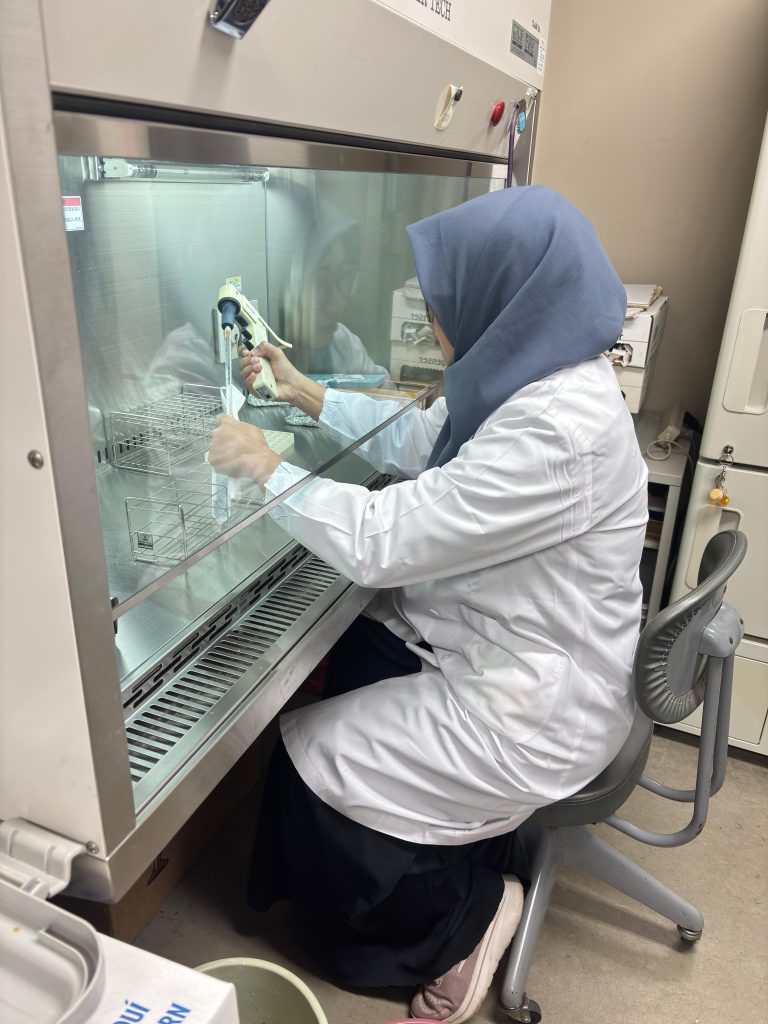
Beyond discussions and presentations, participants spent 3 days engaged in intensive laboratory work aligned with their research interests. The lab sessions provided hands-on experience in specialized scientific techniques, including DNA analysis, PCR, cell thawing, cell culture, and protein analysis. This active laboratory engagement gave participants firsthand experience in a Japanese university research environment, strengthening their technical skills and understanding of advanced research methodologies.
The program also emphasized pre-departure readiness, requiring participants to complete JASSO questionnaires, secure international travel insurance, arrange accommodation independently, and attend mandatory pre-departure online sessions. Upon arrival, participants received a stipend allowance of 80,000 yen on the first day at the TWINCLE Office.
Ultimately, the TWINCLE Program offers a comprehensive experience that seamlessly blends academic pursuits, laboratory research, SDG-focused problem-solving, cultural exchange, and international networking. It not only elevates the academic competencies of its participants but also nurtures open-minded, independent, collaborative individuals ready to make a global impact.