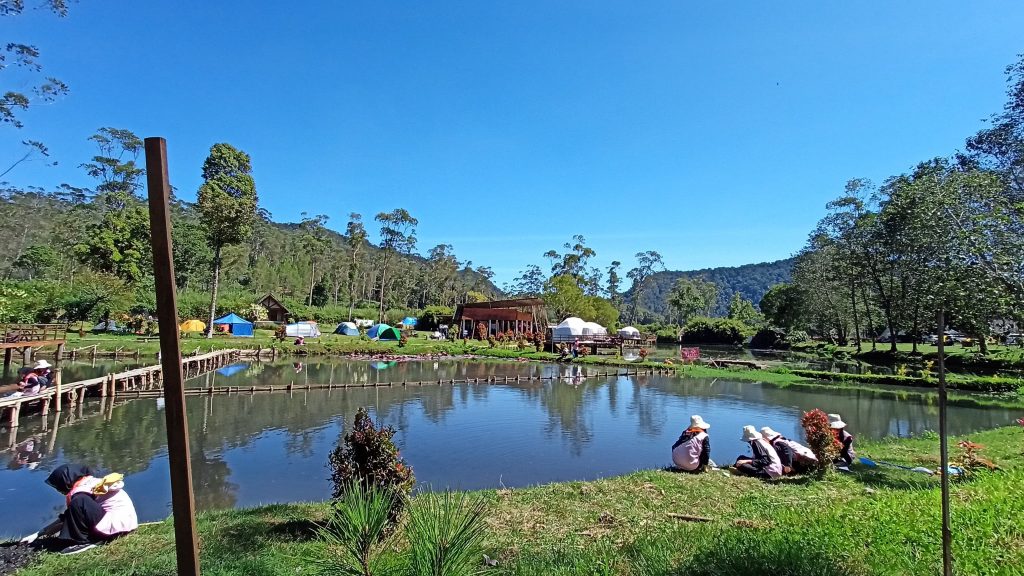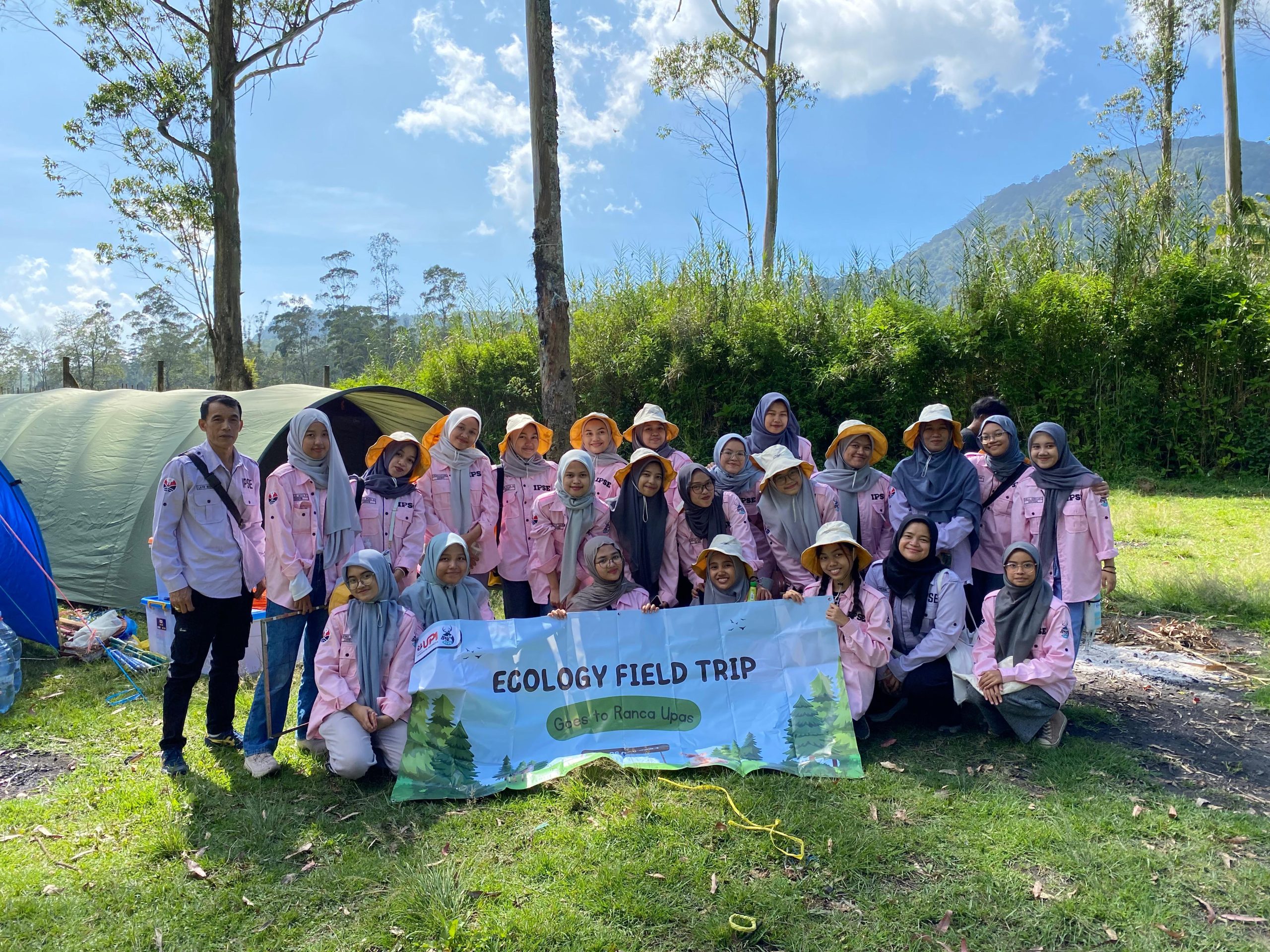
On October 25-26, 2024, IPSE (International Program on Science Education) students from the 2022 cohort, accompanied by lecturers: Ms Lilit Rusyati, Sir Putra Habib Dhitareka, Sir Latif Budiana, and Ms Resik Ajeng Maria, embarked on an immersive ecology field study in the beautiful landscapes of Ranca Upas. The two-day trip was part of their Ecology course, designed to put theory into hands-on practice in the field.
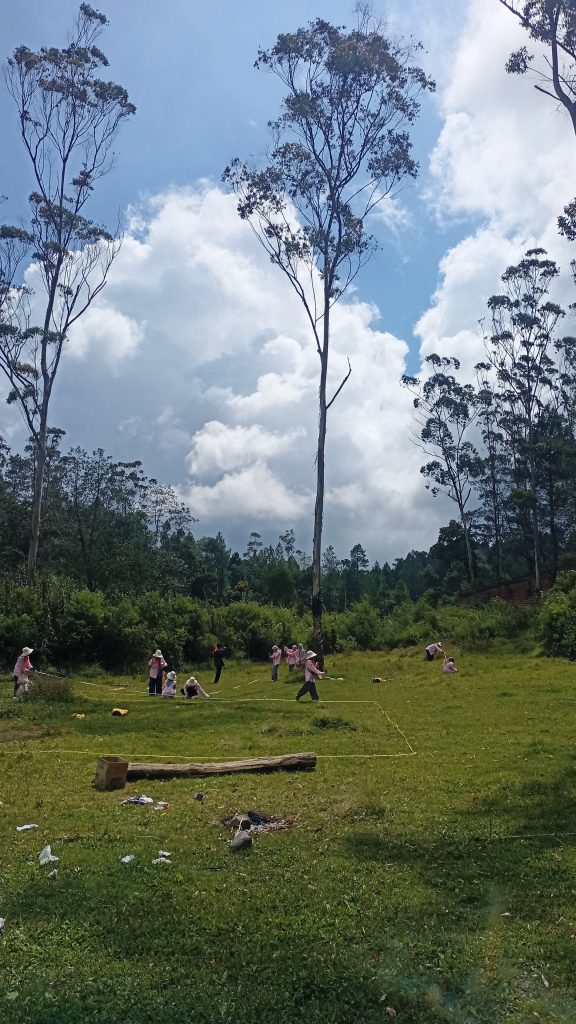
Gathering early at JICA FPMIPA UPI, the students and faculty set off at 5 a.m., reaching Ranca Upas by 7 a.m. Fueled by a quick breakfast, the group set up camp and prepared for a packed schedule of ecological observation and data collection. The first activity on the agenda was quadrat sampling, a method used to study the distribution of plant species within a specified area. The second part of the field study focused on community ecology. Students conducted observations using the Transect Line method, studying the distribution of various species across different habitats. This method allowed them to understand how different species interact within their environment and to gather insights on ecosystem dynamics. The next activity introduced students to the Pitfall Trap technique, a method designed to collect ground-dwelling insects for biodiversity analysis. The traps were strategically placed around the camp area to capture a variety of species.
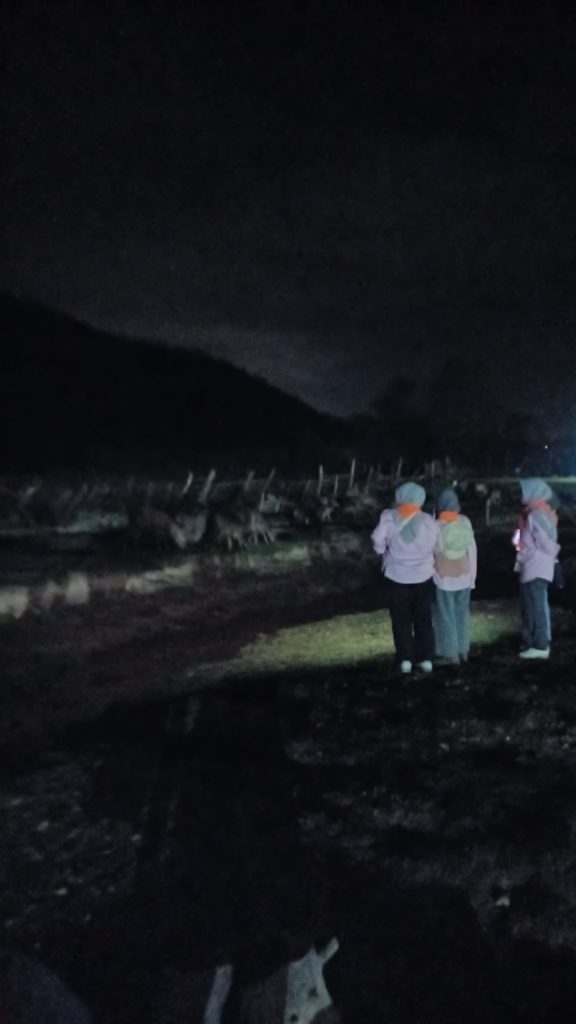
As dusk approached, the group moved to the nearby deer conservation area to observe Ranca Upas’s famous deer population, gaining insights into animal behavior in a natural habitat. Back at camp, students switched gears to study insect biodiversity, using aspirators to observe nocturnal insects drawn to artificial light sources. The evening closed with a bonding session by the campfire, as students and teachers shared stories and relaxed under the stars, soaking in the unique experience of fieldwork camaraderie.
Day two began at dawn with another deer observation, providing a serene and insightful look at these gentle creatures in their natural setting. After breakfast, students revisited the Pitfall Traps to gather specimens collected overnight. They then moved to the lake area for further exploration, using a Secchi disk to measure water clarity, aquatic nets for sampling water insects, and continuing with community ecology observations around the lake habitat. Each activity reinforced classroom concepts, bringing theoretical ecology studies to life in an unforgettable, hands-on way.
Through this field study, IPSE students not only gained practical skills in ecological research methods but also a profound understanding of the complexity and beauty of ecosystems. The knowledge, teamwork, and memories from this trip will surely inspire them in their future scientific endeavors!